





Free shipping on every orderQuote within 24 hours
Custom Blind Boxes

Blind Box PackagingMade to keep the surprise in

Last updated

Blind box packaging is a printed folding carton that keeps what's inside out of sight until someone opens it. Ours are cut to your product's size and printed with your artwork on every panel. Close them with a tuck flap or a tear-open zipper, and the reveal happens in the buyer's hands.

  • Thick board, no peeking
  • Matte or gloss lamination

1 / 4

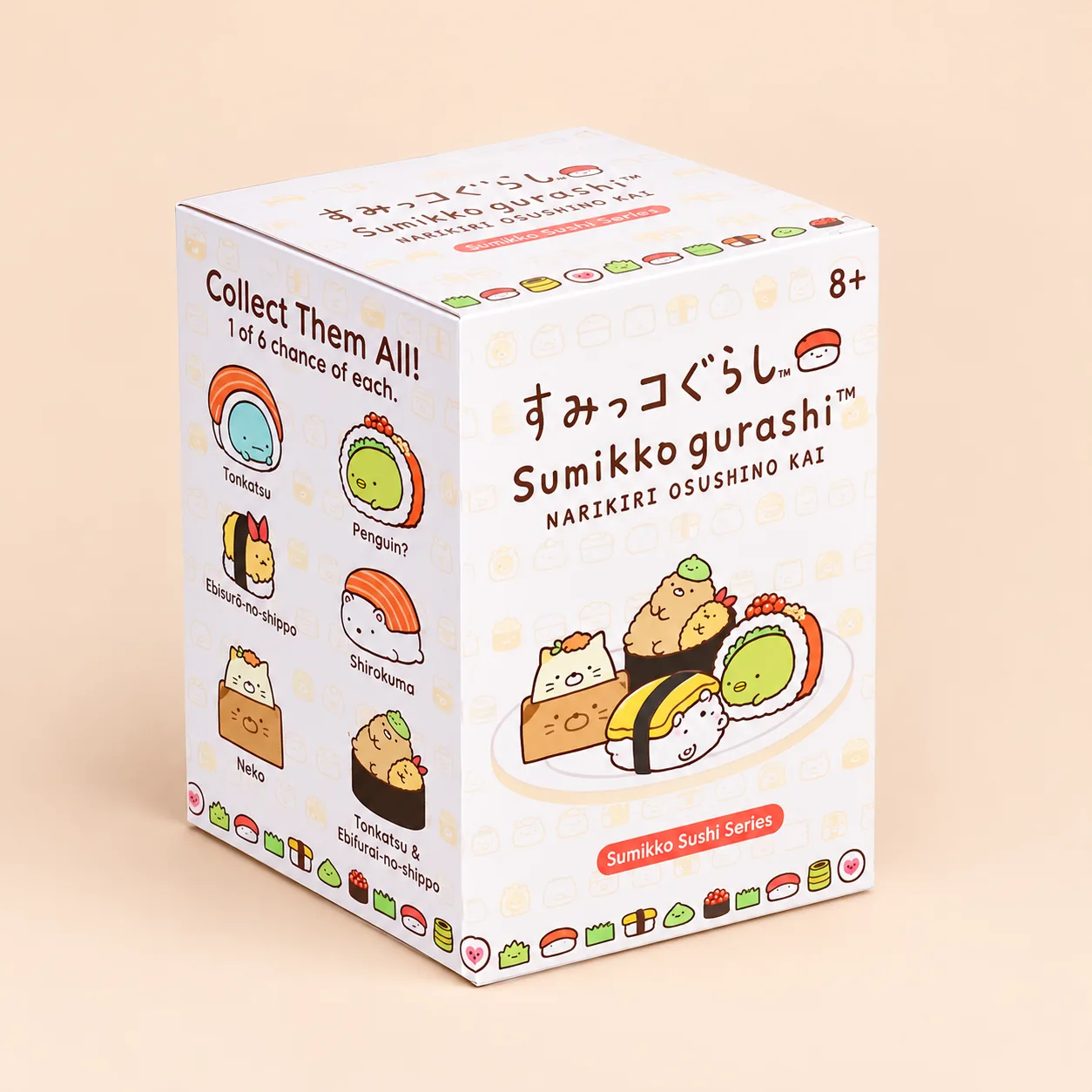
Blind box packaging design with a collect-them-all panel for a character series
Blind Box Packaging Design for Character Series

Start your free estimate

A rough idea is plenty. We'll ask about anything we need.

PDF, PNG, JPG, GIF, WEBP, SVG, AI, EPS, PSD, ZIP, RAR, DOC, XLS. 20 MB max total.

    Included with every order

    • Free dieline with your order

      Your box template arrives drawn to your size, with bleed and fold lines marked, so your designer starts on the right shape.

    • Proof and 3D mockup, free

      See your design on the flat template and on a 3D box. Nothing goes to press until you approve it.

    • Made in 8 to 10 business days

      The clock starts when you approve your proof. Tell us your deadline up front and we'll plan the run around it.

    • Free shipping to five countries

      Delivered free to the United States, Canada, the United Kingdom, Australia and New Zealand. The price you approve is the price you pay.

    Built around what's inside

    Every box is cut and printed for your order, so any of these can change. Pick what suits your product and we'll quote it.

    Closes
    With a tuck flap, or taped shut and torn open along the zipper
    Arrives
    Flat and nested, ready for you to fold and pack
    Best for
    Collectible series and limited drops
    Size
    Your length, width and height
    Board
    18pt white board, Heavier board, Brown kraft
    Printed on
    Outside, Inside, Inside and outside
    Lamination
    Matte, Gloss
    Extra finishes
    Foil, Spot UV, Embossing, Debossing
    Closure
    Straight tuck end, Reverse tuck end, Seal end with tear-open zipper
    Design help
    Free dieline with every order, Free proof and 3D mockup

    Questions about Blind Box Packaging

    Blind box packaging hides which design is inside. Every box in a series is the same size and prints the same outside, so shoppers can't tell a common figure from a rare one by looking. The board is thick enough that a phone light won't give the contents away, and the box stays closed until someone buys it and tears it open.

    Most series keep the front the same on every box and put a lineup of every design on the back, with the rare one shown as a silhouette. Design on a template drawn to your size so text stays clear of the folds. You can make one free on our template page before you order, and it's worth saving a small surprise for the inside panel. Your proof and 3D mockup let you check the layout before anything prints.

    18pt (350gsm) white board is the standard for blind box packaging and holds most figures and keychain charms comfortably. If your product has some weight to it, we move up to a heavier board so the box keeps its shape. White board prints anything you send, full color and fine detail included. Brown kraft has a look of its own: bold spot colors printed straight onto the natural brown give a series a warm, handmade feel.

    For the classic blind box pull, choose a seal end box with a tear-open zipper across the top. It's taped shut top and bottom and opens in one clean strip, which is the moment people film. A tuck end box opens and closes again, which suits a box that doubles as storage for the figure afterward.

    Your boxes ship flat and nested, printed and creased, ready to fold and fill with your product. A whole run stacks into a small corner until packing day, and shipping is free to the United States, Canada, the United Kingdom, Australia and New Zealand.

    How blind box packaging keeps the surprise

    Blind box packaging keeps the surprise by making every box in a series look the same from the outside. The buyer knows the set, can see the lineup, and still has no idea which design they are holding. That gap between knowing the set and not knowing your box is what people pay for, and the box is what protects it. If a shopper can pick out a figure by its shape or by a shadow through the board, the surprise is gone before the sale.

    Most of the work happens on the outside. Every box in a run is cut to the same size and printed with an identical front, so a rare variant sits on the shelf looking exactly like a common one. The board and the closure do the rest.

    Pop Mart's Labubu blind boxes are a familiar example of this kind of blind box packaging. Every figure in a series ships in the same box, and the lineup on the box shows collectors what they might pull. The same format works just as well for a small brand's first series.

    Board matters more than most people expect. A thin carton held up to a bright light can reveal a silhouette, and collectors do check. Our standard is 18pt (350gsm) white board, which stops light shining through and stays rigid enough to stand on a counter or hang in a display without bowing. If what goes inside has some weight to it, the board moves up to a heavier grade so the corners stay sharp after the box has been picked up and put back a few dozen times.

    The closure is where blind box packaging turns into an experience. A seal end box is taped shut top and bottom on the inside of the flaps once it's packed, so nothing slides out and nothing looks different from the outside. To open it, the buyer pulls a zipper strip cut into the top panel: one tug, a neat ribbon of board comes away, and the reveal begins. That pull is the part people film, which is why most blind box series use it. A tuck end box reopens and closes as often as needed, which suits a box that keeps holding the figure afterward.

    The inside of the box is the most overlooked panel. Once the zipper is pulled, the buyer is looking straight at board that most cartons leave plain. Printing it turns a plain moment into a second reveal: a thank-you note, a checklist of the series, a rarity symbol printed only inside the chase box, or a pattern that continues the artwork from the outside. It's a small addition to a quote, and every buyer sees it.

    A good blind box package also has to survive the trip. Boxes are packed, stacked, shipped to a store or a fan, handled on a shelf, and sometimes shaken by someone trying to guess what's inside. Folding cartons made from a solid board, sized closely to the product, keep things from rattling and shifting, which protects both the item and the mystery. A snug fit is one of the easiest ways to stop the guessing, because nothing moves to give the design away.

    Blind boxes are usually sold in groups: lined up on a counter, stacked in a display tray, or photographed together for an online drop. Whichever way they are shown, the buyer sees many boxes at once, so small differences jump out quickly. A slightly different shade, a box a few millimeters taller, or a crease that sits in the wrong place can all hint that one box is not like the others. Printing the whole series in one run keeps color and size matched from the first box to the last, which is exactly what a set needs to stay blind.

    If you want to see how other makers have handled these choices, there are examples of finished blind boxes in our gallery, from bright character series to minimal one-color runs. Seeing a few side by side is the fastest way to decide how loud or how quiet you want your own boxes to be.

    Blind box packaging design for a series

    Good blind box packaging design starts with deciding what each panel is for. A box has six outside faces and, if you print it, a matching set inside. On a series, those faces do different jobs. The front sells the series, the back shows what is in it, the sides carry the details, and the base holds the practical bits like a barcode or a batch number. Planning that before anyone opens a design file saves rounds of changes later.

    The front should be the same on every box in the set. It carries the series name, your brand, and the artwork that makes someone stop and pick it up. Keeping it identical is what makes the box blind, so resist the urge to hint at what is inside here. The back is where the lineup goes: every design in the series, shown together, usually with the rare or secret edition as a silhouette or a question mark. That single panel does more selling than anything else on the box, because it turns one purchase into a reason to collect the set.

    Small details carry a lot on a series box. A short code or number for each design, printed on the inside where only the opener sees it, helps you track stock and helps collectors log what they pulled. Keep the type on the lineup panel large enough to read at arm's length, since many blind boxes are smaller than a phone. Barcodes, batch numbers, and any required text belong on the base, where they stay out of the artwork's way.

    The secret edition needs a plan of its own. On the outside it must look exactly like the rest, so any difference lives inside: a different inner print, a gold panel, or a short message that tells the buyer they found the rare one. Decide early how you will show it on the back, whether as a black silhouette, a question mark, or a blurred shape, because that one mystery slot is what keeps people buying another box after they have the regulars.

    Work on the dieline from the start. A dieline is your box unfolded onto a single sheet, with the cut lines, folds, and glue areas marked, and it comes free with your order, drawn to your size. Laying artwork on it shows you exactly where panels meet, where text would wrap around a fold, and how much of a design survives the bleed. If you'd like to start before you order, our free template generator draws one to your size, and the page around it walks through bleed, safe zones, and the order to design the panels in. Keep key text and logos well inside the safe zone so nothing ends up split across an edge.

    Before anything prints, you see the design two ways. The digital proof is your artwork sitting on the flat dieline. It is the easiest place to catch a word too close to a fold or a color that came out different from your screen. The 3D mockup shows the box folded and turned, so you can judge how the front reads next to the side, whether the lineup on the back is legible at real size, and whether the zipper cuts through anything important. A blind box packaging mockup is the closest thing to holding the finished box, and the job waits for your sign-off before printing starts.

    Color depends on the board you choose, and both choices are good ones. White board takes any artwork: full color illustration, soft gradients, photography, and fine linework all print as designed. Brown kraft works differently, and the look is the point. A few strong spot colors sit on the natural brown and make a run feel crafted, which suits artist releases and small studios. Pick the board first and design for it, rather than adapting a design afterward.

    Lamination changes how the box looks under light and in photos. Matte lamination is the one most of our clients choose: it reads cleanly on camera without glare under a ring light, and it hides fingerprints from shoppers handling the boxes. Gloss lamination pushes colors harder and catches the eye from across a room. One or the other covers the whole box, so it is worth deciding early whether the series should feel soft and calm or bright and loud.

    Extra finishes go on top for the details you want people to notice. Foil adds a metallic shine to a logo or a series name. Spot UV puts a glossy layer on one area of a matte box, so a single element catches the light. Embossing lifts a shape so it can be felt with a fingertip, and debossing sinks it into the board. These work best used sparingly, on the one thing you want touched first, and they make sense on a premium edition where the box feels like part of the purchase.

    Choosing board, size, and closure for your blind box packaging

    Custom blind box packaging comes down to three decisions: how big the box is, what it is made from, and how it closes. Getting these right matters more than any finish, and each one is a simple choice once you know what goes inside.

    Size comes from your product. There is no fixed size chart, because every box is drawn to the measurements you send. The goal is a close fit with just enough room to slide the product in without forcing it. Too tight and packing becomes slow and the board can bulge. Too loose and the product rattles, which is the fastest way to give a design away. Not sure about the extra room? Tell us the product's size in your quote request and we'll suggest a box size to match. Across a series, every design goes in the same size box, even when the figures differ a little, because matching boxes are what keep the set blind.

    Board comes down to weight and look. Most blind box packaging runs on 18pt white board, the same 350gsm stock described above, and it suits figures, charms, pins, and cards. Heavier products step up to a thicker board so the box stays square and the corners stay crisp. For a natural finish, brown kraft is the other option, printed in spot colors. Most series start on the standard board and move up only when the product needs it.

    Closure decides how the box gets opened. If it is meant to be opened once, ideally on camera, go with seal end: once the zipper is pulled it cannot be closed again, which is what most blind box series want. If the box should keep working after the reveal, as storage for the figure or at a market table where you open one to show the set, go with tuck end, straight or reverse. Both cost the same, so the choice comes down to the experience you want.

    Orders ship flat, already printed and creased, and you fold each box and fill it on packing day. Flat boxes take up a fraction of the room assembled ones would, so a full run can wait in a corner or a closet until you need it. The creases are pre-scored, so every box folds the same way.

    Timing is predictable. Plan on 8 to 10 business days of production once your proof is approved, and 10 to 15 until the boxes arrive. The quickest way to save time is to review the proof the day it lands. Delivery is free to the United States, Canada, the United Kingdom, Australia, and New Zealand. If you are working toward a launch date, mention it in your first message so the schedule can be planned around it.

    Think about the next series while you plan this one. If the boxes share the same size and dieline, a second wave sits neatly beside the first on a shelf, and collectors see at a glance that the two belong together. Keeping the board and lamination the same helps too, since a matte series next to a gloss one reads as two different brands. Changing the artwork and colors is what makes a new wave feel new; changing the box itself usually just makes the set look mismatched.

    Before you ask for a quote, decide how many of each design you need. Most series print equal numbers of each regular design and far fewer of the secret one, which is what makes it worth chasing. Tell us the split along with the total, and the estimate can be priced the way the run will actually print.

    Minimums aren't one fixed number. They move with the build, so a plain one-color box can usually start smaller than one with foil and inside print, and the price per box drops as quantities grow. The easiest way to see the options is to send your box size for a free estimate. The estimate shows a few quantities side by side, so you can weigh a first run against a larger one before you commit.